



Donald The Highland Cow
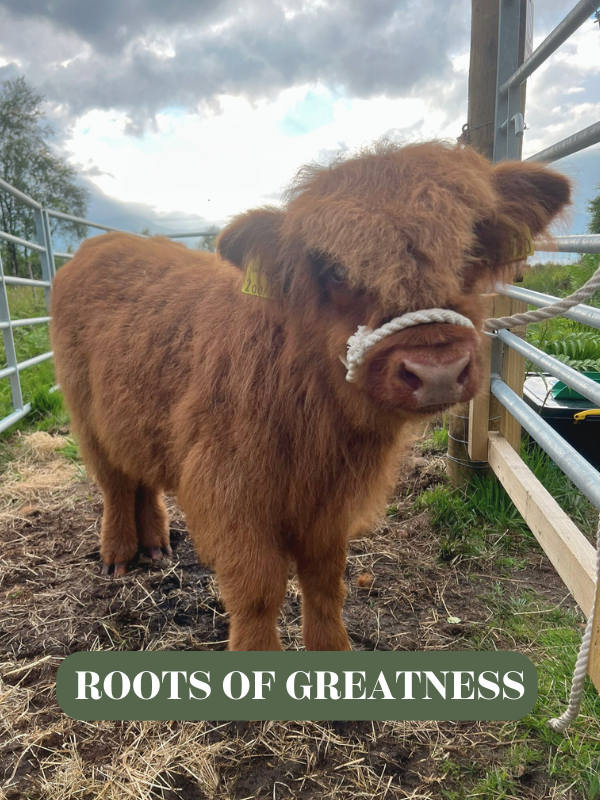
The Highlands wouldn’t be the same without their iconic Highland cattle. We are delighted to introduce you to our most recent arrival, Donald. Our resident president has arrived at the Highland Titles Nature Reserve in Duror, near Glencoe and he’s already making the reserve great again.
When we bought this land in 2006, it was an inaccessible forestry plantation with no visitors, no charm, and few species. But we had a vision, and today it’s a thriving, species-rich nature reserve, welcoming thousands of visitors every year. And now, with Donald here, it’s about to reach a whole new level of greatness.
Not only is Donald a handsome addition to the reserve, but he’s also working hard. His grazing skills help keep the vegetation in check, his manure enriches the soil (the best manure, really, ask anyone), and his charm brings joy to everyone who visits. Let’s not forget his Scottish roots, which we know his namesake would very strongly approve of.
Adopting Donald isn’t just a gift—it’s a statement. It’s about supporting a magnificent Highland cow, helping to manage our land, and maybe funding a little more fencing for his ever-expanding enclosure. It’s big. It’s bold. It’s Donald. THANK YOU for your part in adopting Donald and your help to Make A-moo-rica Great Again!
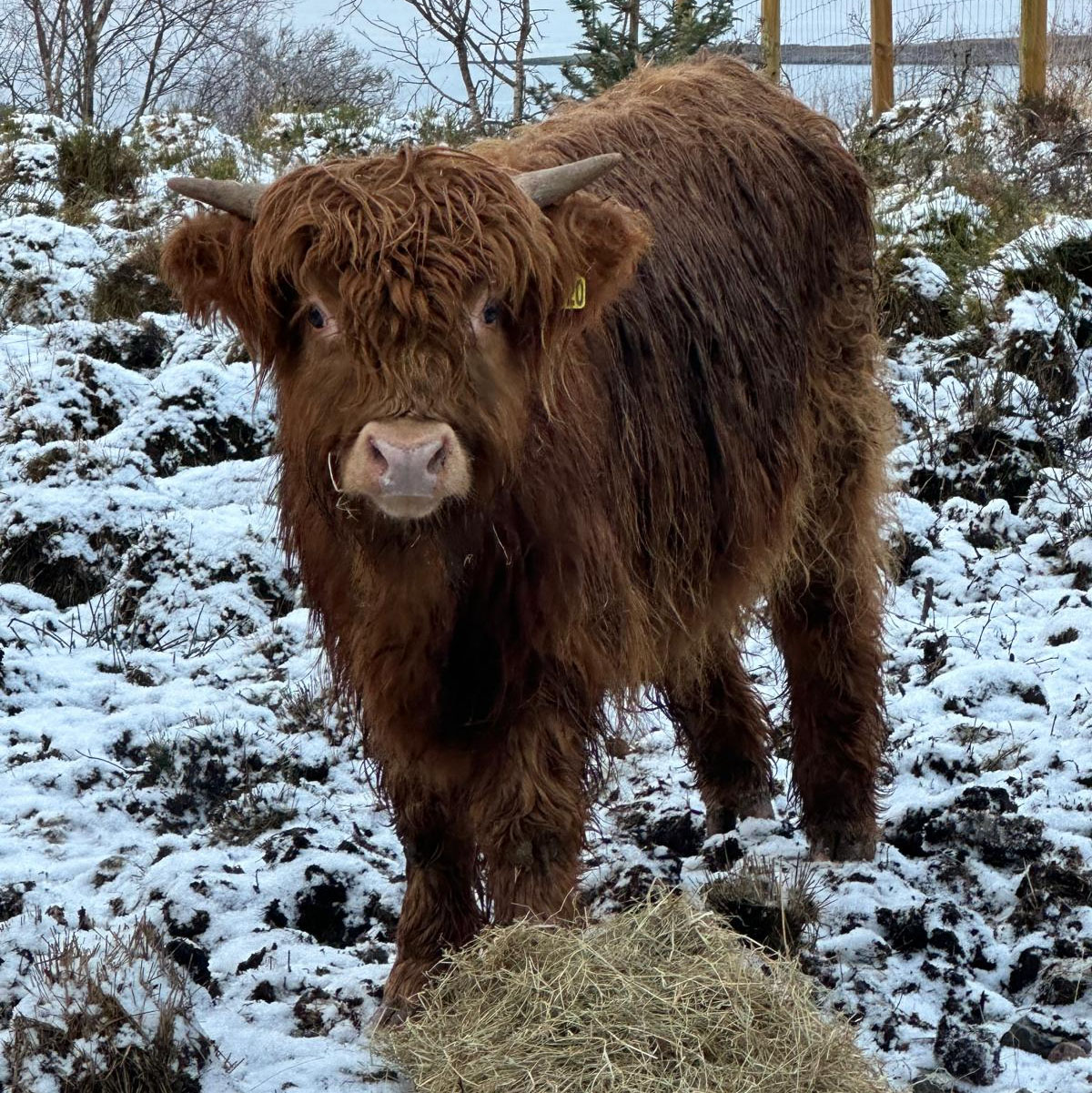
What does Donald do?
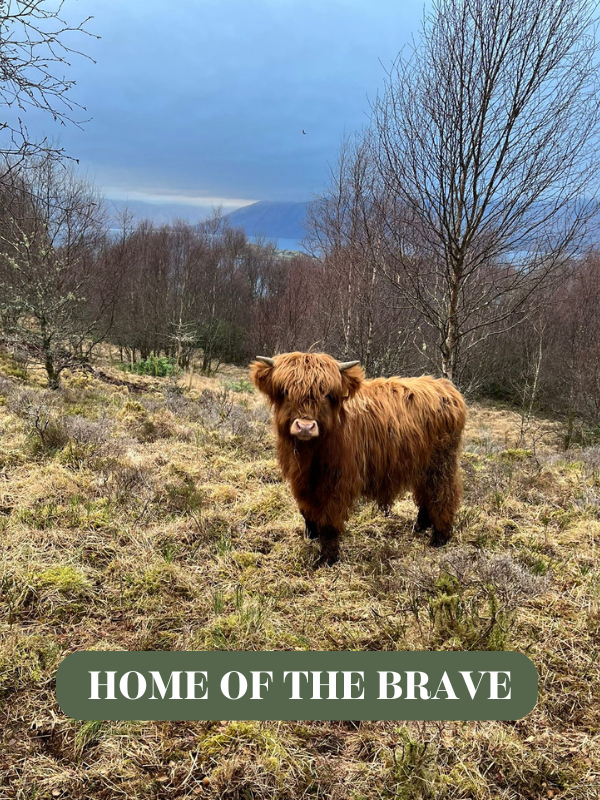
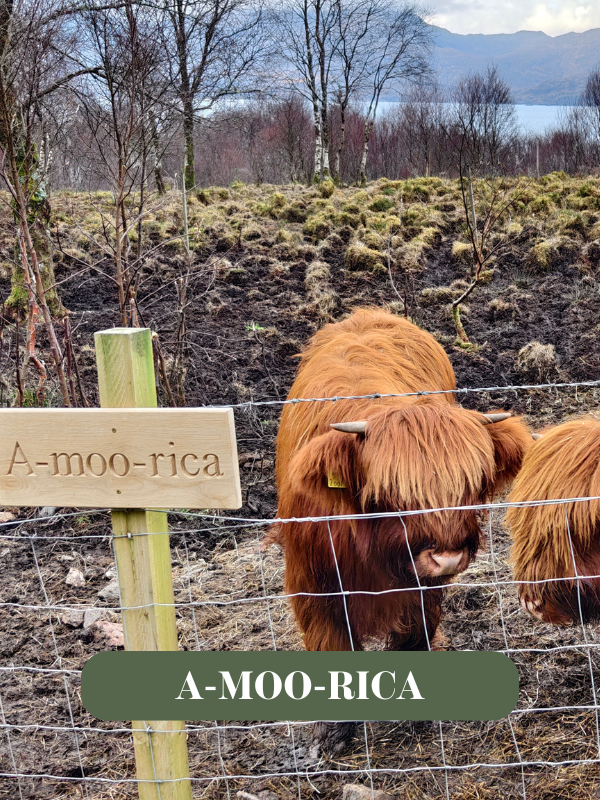
Donald plays a crucial role in maintaining the health and biodiversity of the land. Highland cattle are gentle giants that help manage the vegetation, ensuring that the ecosystem remains balanced and vibrant. Their grazing habits promote the growth of native plants, which in turn supports a wide variety of wildlife. We have named a section of our nature reserve ‘A-moo-rica’, and by adopting Donald, you’re helping to Make A-moo-rica Great Again.
Can I visit Donald?
Yes, of course! You can visit any time, but if you want a Guided Tour then please buy tickets and arrange a visiting time with our nature reserve staff.
Our nature reserve is around 3 hours from Edinburgh and Glasgow airports. You can see more information on our visiting page.
How does my donation help?
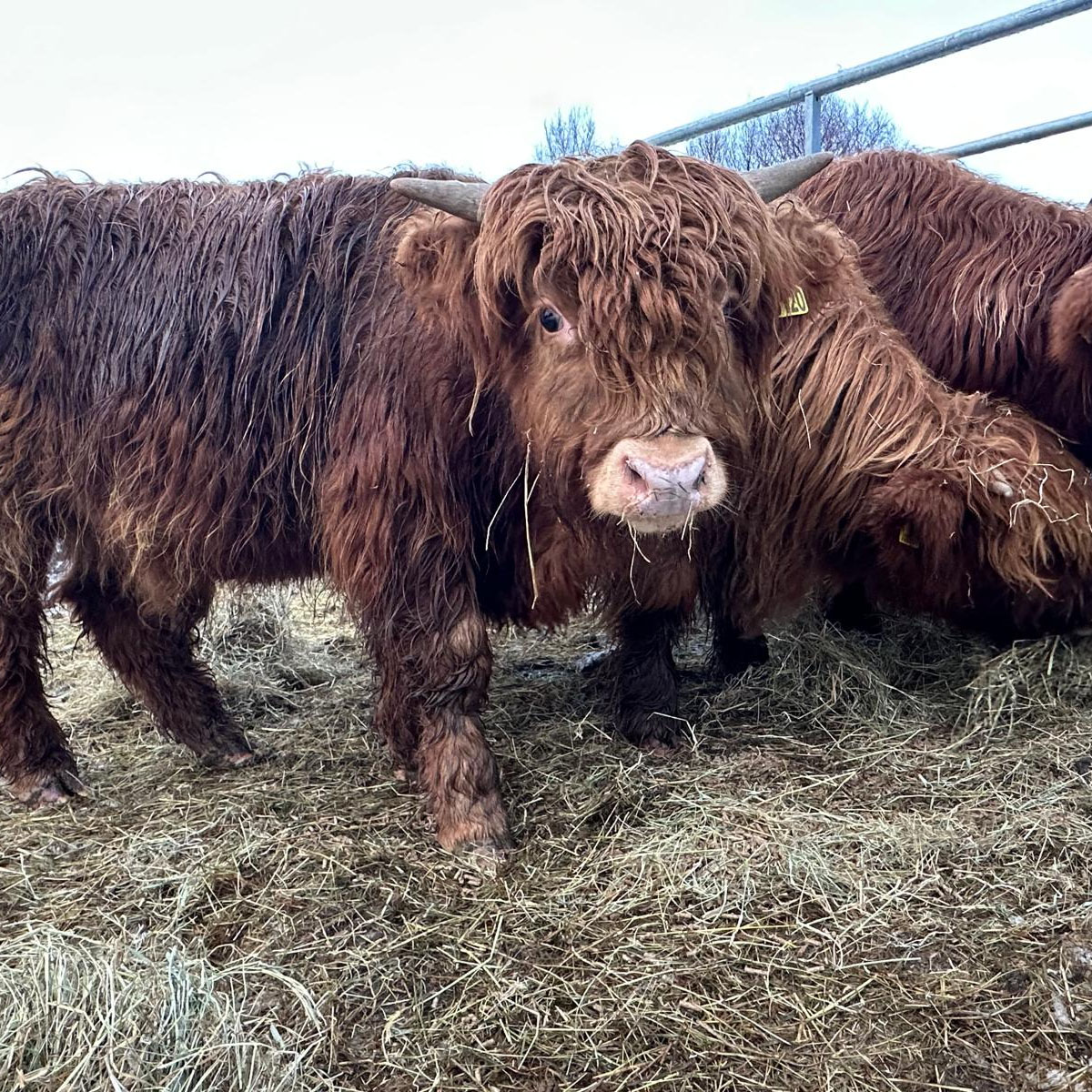
Your donation directly contributes to the costs of keeping our Highland cows, including….
Feed: We need to ensure our cows have a balanced diet all year round to keep them nice and healthy.
Veterinary Care: Providing regular health check-ups and treatments to prevent and manage any illnesses.
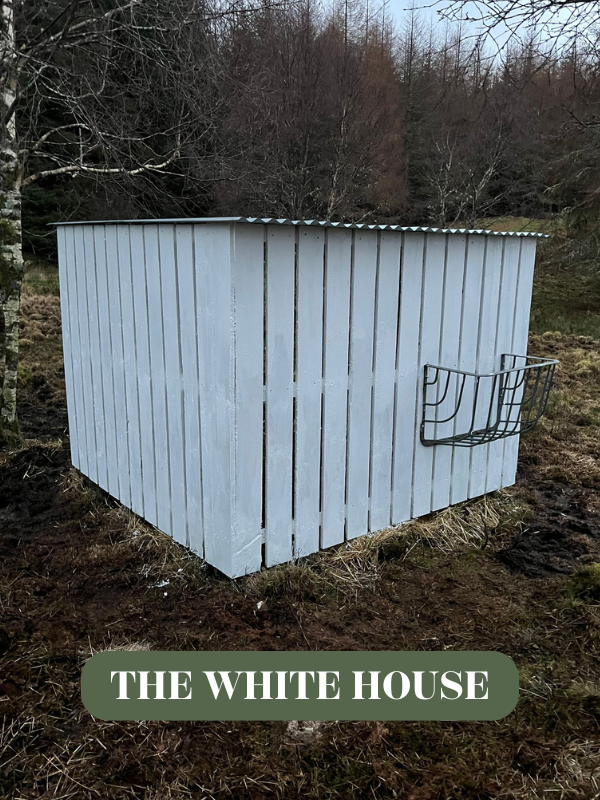
Shelter and Fencing: We maintain comfortable and safe shelters for the cows. Winters can be harsh here!

What’s Donald Like?
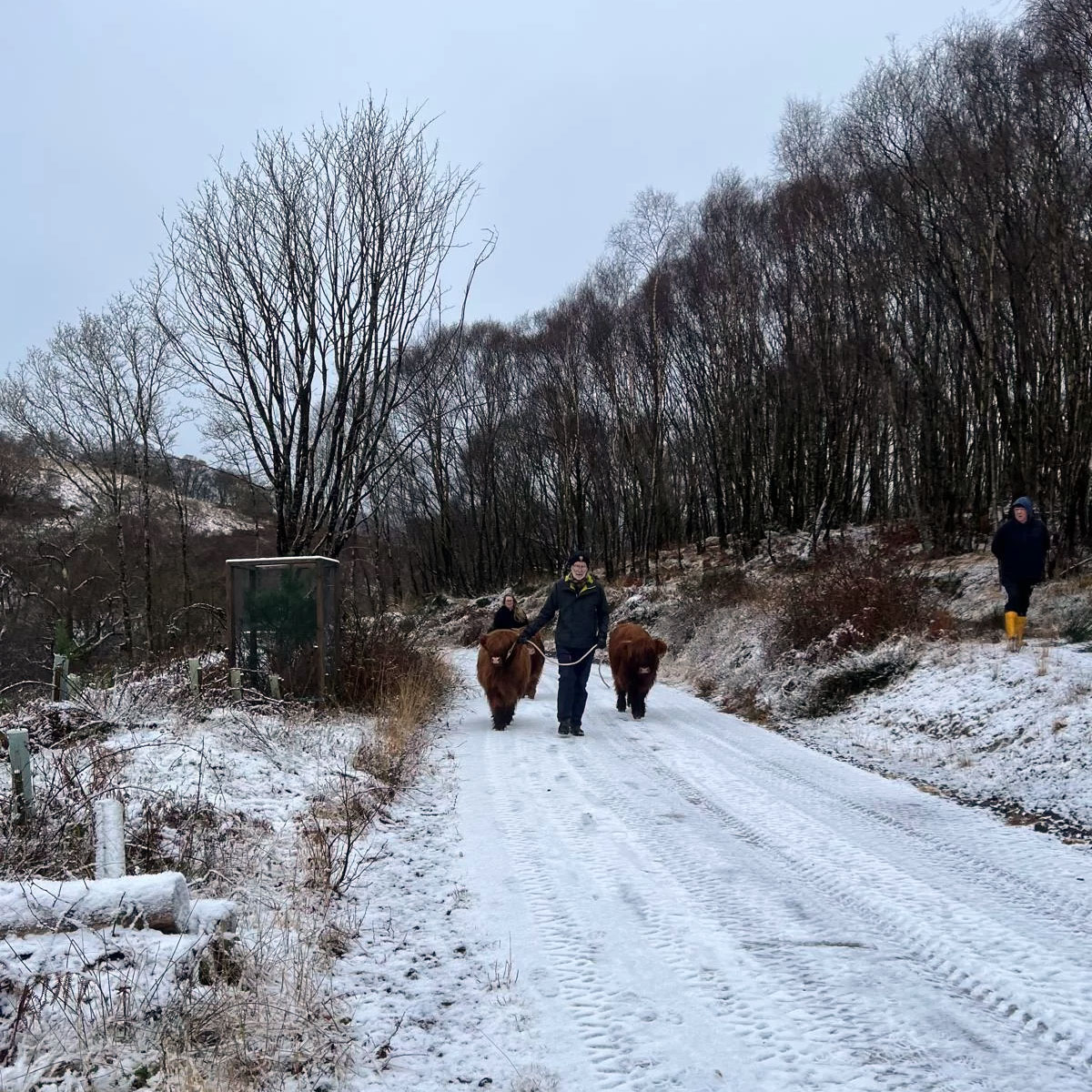
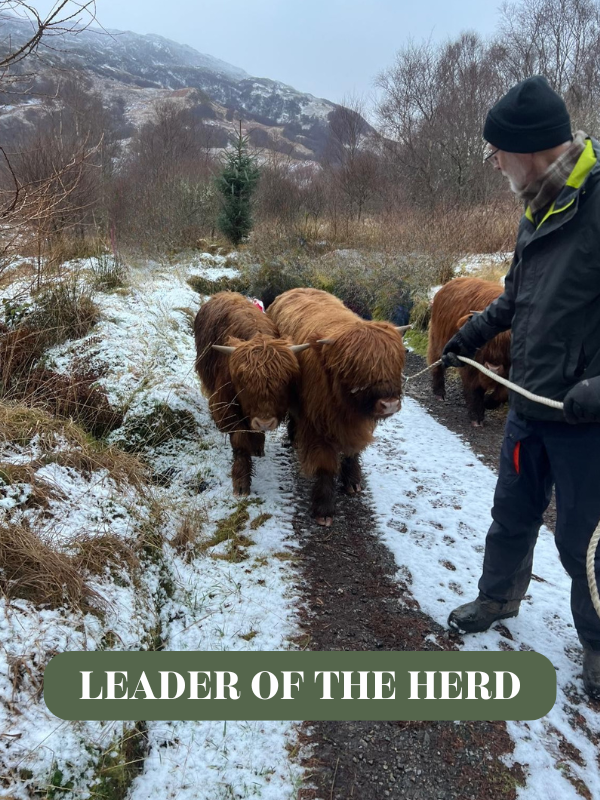
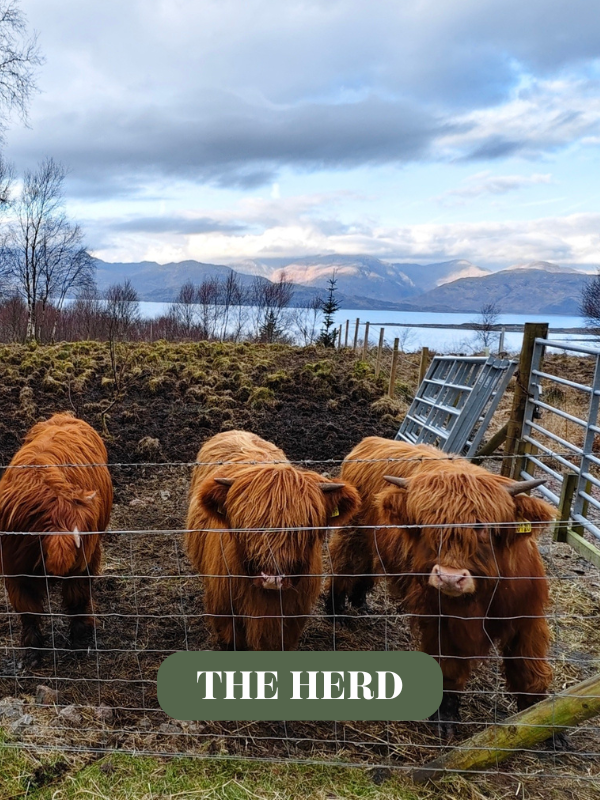
When Donald arrived at the nature reserve, we brought our other Highland cattle (Andy Mooray and Ewan Moogregor) down to meet him. Andy and Ewan know their way around, and in theory Donald should have walked with them back up to the field where we have food, water and shelter.
As you can see in the photograph opposite, Donald does things his own way. He doesn’t follow the herd.
Remind you of anyone?
Donald was born in the spring of 2024, right around the time of the infamous assassination attempt on President Trump. Like his namesake, Donald showed terrific fighting spirit to survive complications and now stands strong and triumphant.
He arrived at the Highland Titles Nature Reserve in January 2025 and we’re delighted to have him.

Latest Updates

August 2026
“Summer has finally arrived in the Highlands!”
While many of you have already been enjoying weeks of sunshine, we’ve mostly been reaching for our wellies and rain jackets. Thankfully, the warmer weather has finally made its way to the Highland Titles Nature Reserve too.
The boys are still carrying their thick winter coats, with their soft summer coats only just coming through, so they’re certainly appreciating a little extra shade. To help keep them comfortable, we’ve moved them into the third enclosure a little earlier than planned.
We’re delighted to say that all the hard work we’ve put into reseeding the fields has really paid off. The enclosure is now covered in lush, fresh grass, and with woodland covering more than half the area, there’s plenty of shade to escape the summer sun. Better still, the boys have been making the most of all the tasty leaves and branches to nibble on while they explore their new surroundings.
It’s wonderful to see Donald, Andy and Ewan enjoying the best of the Scottish summer, and we look forward to sharing more updates with you next month!

July 2026
“Heavyweights and Hard Standing”
Our three Highland boys have been keeping us busy this month as work continues on improving their enclosure. One of the biggest challenges is the combination of their size and the Scottish weather! Each coo is now likely approaching a tonne in weight, and when that much weight is carried on relatively small feet, the effect on the ground can be significant. Combined with the exceptionally wet conditions we have experienced recently, some areas have become waterlogged and muddy.
To help tackle the problem, work has started again on improving drainage throughout the enclosure. Additional hard-standing areas are being installed to provide more stable ground, and we have also been reseeding grass in an effort to restore some much-needed greenery. The next stage will involve laying drainage pipes across the area to help carry excess water away. It is an ongoing project, but one that will help keep the boys comfortable while encouraging a healthier, greener environment for them to enjoy.

June 2026
“Photos, Reviews & Highland Coos”
Donald, Andy and Ewan are always a highlight for visitors to the Highland Titles Nature Reserve in Duror. Whether they’re relaxing in the grass or posing perfectly for photos, the boys have become firm favourites with guests from all over the world. One of the best parts of visiting the reserve is the chance to see the coos in person and enjoy a true Highland experience in the beautiful Scottish Highlands.
We absolutely love seeing the photos you take during your visits, and one visitor’s fantastic picture of the boys has even been chosen as the featured image for our June update – thank you for sharing your memories with us! Many visitors also leave us wonderful reviews on Google Maps, which we really appreciate.
If you own a plot of land with Highland Titles, you can also join our private Facebook community to share your favourite reserve photos, wildlife sightings and Highland adventures with fellow customers and see regular updates about life on the reserve.

May 2026
“New Kit for the Highland Crew”
This month, the boys have been introduced to a brand-new piece of kit – their very own crush cage! Don’t worry, it’s much friendlier than it sounds.
A crush cage is a safe, secure space that gently holds a cow still for a short time, allowing our team and vets to easily carry out health checks and treatments with minimal fuss. It keeps both the cows and handlers safe, and helps make everything quicker and less stressful.
Donald, Andy and Ewan have been taking it all in their stride (as you’d expect from such laid-back lads), and it’s a great step in making sure they stay happy, healthy and well looked after.


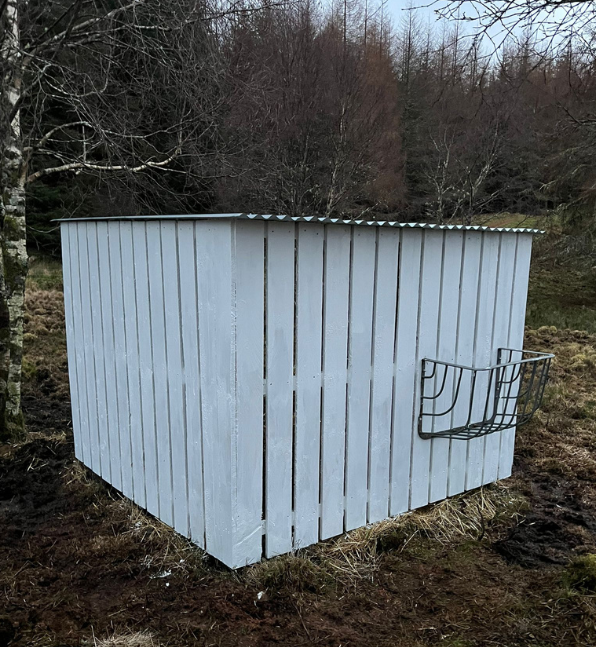

Photo Gallery
Video Gallery
Fun Facts
- Highland Cows are the oldest cattle breed in the world, appearing in the 6th century in the Outer Hebrides.
- You might have heard the term “the drove road” used in Highland history. These were the tracks through the Highlands where the farmers would take their cattle to market. They could only walk a few miles each day so would stay in different places every night so the animals could graze and stay safe. Ever heard the term, “arriving in droves?” We aren’t completely sure, but it may well have come from this.
- Back in the 18th century, cattle thieving was a huge problem. The clans were terrible for pinching each other’s cattle. Watches were set up, which farmers would pay to get their cows back. Rob Roy MacGregor operated as a watch, drover, cattle dealer and sometimes, a thief himself!


- Highland cows are often identified but their very impressive horn-age. These cows have whopping horns on their heads, which are very powerful, so don’t get too close or you might be skewered. Their horns serve a multitude of purposes though, helping them to rake up the snow and forage for food in the winter. Male horns are thicker than female horns, and they curve forward with a slight upwards rise near the tip of the horn. Female cows have thinner horns that have a more obvious upwards curve.
- Asides from their massive horns, Highland Cows are also known for their long, shaggy coats. These cows have two layers of long shaggy fur, the warm undercoat and the more oily overcoat. This helps to keep them cosy in the winter.
- Apparently, Queen Victoria, when visiting the Highlands is said to have commented that she liked the red coloured cows the best, so to try and please her highness, cows were selectively bred in that colouring. That is part of the reason we see so many ginger cows.
- When a Heilan Cow gives birth, the calf will be able to stand and walk straight away and instantly recognises its mum. Mummy cow will look after and care for her baby for about 6 months, then it’s on its own. But by that point, it’s usually pretty big.
- The most known Highland Cow breed is usually ginger however there are also breeds with yellow, silver, white, red and black coats. The most common breed in the Highlands is the ginger one and they definitely fit well with the backdrop of dramatic Highland scenery.
- Highland Cows eat heaps. In fact, when they’re not sleeping, they’re usually always eating. They spent 8 hours a day munching away and consume almost 70kg of grass a day! That is the equivalent to about 70 pineapples in weight. They need it though, these are big cows.
